
Foam clay is a versatile and engaging material that parents, teachers, and children cherish. Its soft and pliable nature allows young minds to explore, create, and learn immeasurably. As parents, we constantly seek ways to engage our preschoolers in educational activities that promote their sensory and cognitive development. Beyond foam clay’s colorful, malleable nature lies a wealth of basic skill-building opportunities to aid your preschooler’s learning journey.

This article and video were created in collaboration between Early Childhood Toys and Humble Bee’s Foam Clay Creations. We are affiliate marketers. We will earn a small commission when you purchase items through the Amazon links below. (There is no cost to you.) Thank you for supporting our small businesses!
This article will explore the various benefits of foam clay and then provide practical tips on using it effectively with preschoolers.
Benefits of Using Foam Clay
Sensory Exploration:
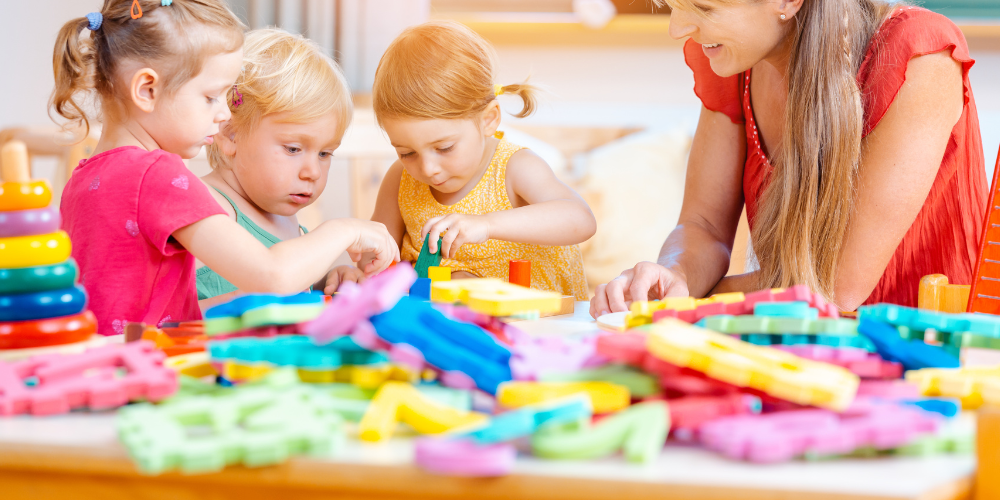
Engaging with foam clay stimulates multiple senses, including touch, sight, and smell. Preschoolers can squish, squeeze, roll, and manipulate the foam clay, developing the child’s fine motor skills and enhancing hand-eye coordination. The squishing, tearing, and rolling actions required to manipulate dough will develop hand strength in the muscles of the little hands and fingers, improving dexterity, precision, and control. Encourage your young ones to grab, pinch, roll, and mold the clay or dough to create different shapes, objects, or even simple characters. With foam clay, these creations can be air-dried, saved and even painted! Adding small objects like beads, sequins, or glitter enhances sensory play even more and turns them into adorable gifts for family and friends and turns them into adorable gifts for family and friends.
Creativity and Imagination:
Utilizing foam clay in educational activities is a great way to promote critical thinking and cognitive development. It offers limitless opportunities for imaginative play. Little ones can mold animals, shapes, and objects, expanding their creativity and storytelling skills as they bring their ideas to life. One engaging method is providing your preschooler with tools such as cookie cutters, plastic knives, rolling pins, or household items. Then, ask them to design objects, animals, or letters. This process requires problem-solving skills and encourages your child to think critically about shapes, sizes, and proportions. Furthermore, this is an excellent way to incorporate counting exercises, color recognition tasks, or pattern formation challenges to stimulate your child’s cognitive abilities.
Developing Language and Communication Skills:
Foam clay sessions can provide excellent opportunities for parents to facilitate language and communication development in preschoolers. Using it invites conversations, and through those conversations, use new words to encourage your child to describe the shapes, textures, or actions they make with the clay. Preschool children can discuss their creations, describe their processes, and engage in collaborative play, fostering communication skills and vocabulary-building.
Emotional Expression:

Foam clay can be a therapeutic tool for self-expression and emotional release. Preschoolers can express their feelings by molding shapes, incorporating different colors, and manipulating the foam clay according to their emotions. Playing with it in a group setting encourages them to share, take turns, and collaborate, promoting social skills and emotional growth. Learning how to negotiate a shape or allocate different colors to each participant teaches preschoolers the importance of cooperation, empathy, and patience. These social interactions lay the foundation for strong interpersonal skills that will benefit your child now and throughout life.
Tips for Using Foam Clay and Playdough with Preschoolers:
Once younger preschoolers have been introduced to the basics of playdough with a single color, older preschoolers are ready for foam clay, cutting, sculpting, and rolling dough. They will enjoy stamping cubes, textured rolling pins, and wheel presses. They are also ready for multi-colored dough, yet it’s still best to give one color at a time when they are beginners. Mixing colors into foam clay can be fun! Watch Humble Bee’s video below, as the caterpillar is made with multiple colors. As children approach kindergarten, these pre-k kids will also be ready for modeling clay, but please know this is stiff and too difficult for beginners.
Using Foam Clay:
1. Set Up a Station: Create a designated area with their ball of foam clay, mats or trays, various cookie cutters, a rolling pin, plastic knives, and other age-appropriate tools. When beginning, start with one tool and then gradually add additional ones. This setup enables easy access and encourages independent exploration.
2. Provide a Variety of Textures and Colors: Introduce different types of dough or clay, such as scented or glitter-infused options, to enhance the sensory experience. Introduce colorful beads, googly eyes, and sequins to stimulate creativity and interest.
3. Encourage Open-Ended Play: Avoid imposing restrictions or specific outcomes. Give children the freedom to experiment and explore their ideas in new ways to use playdough with different materials. This open-ended, hands-on approach fosters problem-solving skills, critical thinking, and divergent thought processes. Ask open-ended questions like, “Tell me about what you are making?”
4. Incorporate Learning Elements: Utilize foam clay to reinforce educational concepts such as shape letters, numbers, or objects related to themes or stories. Integrating learning elements into the foam clay activity promotes cognitive development and encourages children to associate play with education.
Importance of Clean-Up and Safety:
Using foam clay also allows parents to teach important skills to their preschoolers such as cleanliness, tidiness, and safety. Teach them about proper clay hygiene. Emphasize the importance of washing hands before and after play, storing the foam clay in airtight plastic bags to prevent drying, and cleaning the tools after each use. Encourage each child to clean up and put away their materials after each session. Teach them how to manage tools and handle the clay responsibly and safely. By involving your child in cleaning up, you instill ownership and accountability. You are also setting the foundation for tidiness for a lifetime.
Advanced Creativity Tutorial:
Preschoolers who have mastered the beginning basics of playdough and foam clay creations are ready to take their creativity and imagination to the next level! Mixing colors, using sculpture tools, and making astonishing creations await them. Check out this fun foam clay tutorial by Humble Bee’s Foam Clay Creations! Read a step-by-step guide for the tutorial here.
For additional tutorials and information on using foam clay, visit HumbleBeesCraftTutorials.com
Conclusion:
Foam clay is more than just a fun activity for preschoolers. It is a versatile tool that offers many benefits to aid in the early childhood development of preschoolers. Parents of young children can unlock their child’s potential in a fun and engaging way. Using the foam clay also develops the abilities within Whole Child Education: fine motor development, cognitive abilities, language and communication skills, and building social relationships. Through these foam clay activities, preschoolers can also teach the importance of cleanliness and safety in a fun way. Let’s embrace the wonders of imagination and witness the incredible transformations it brings into the lives of our little ones!
To learn more about Whole Child Education, visit Early Childhood Toys
References:
Essential Toy Safety for Infants, Toddlers, and Preschoolers.
Whole Child Education: What is the Approach to Teaching?
Developmentally Appropriate Toys: What and Why are They Important?
Rainbow Caterpillar made of Foam Clay
Looking for more foam clay tutorials? Visit the Learning Hub to explore beginner to advanced projects and techniques.

Leave a Reply